
How DevOps Training Prepares You for Real-World CI/CD & Automation
1️⃣ Introduction
Automation has become the backbone of modern software delivery. No organization wants manual deployment risks, slow releases, or frequent production downtime.
This is where CI/CD comes in — enabling rapid, safe, reliable delivery of applications.
DevOps training focuses heavily on CI/CD because mastering automation is what differentiates a traditional IT engineer from a modern DevOps engineer.
If you aim to secure strong cloud and automation roles or complete a DevOps certification, this is one of the most essential skill sets you must master.
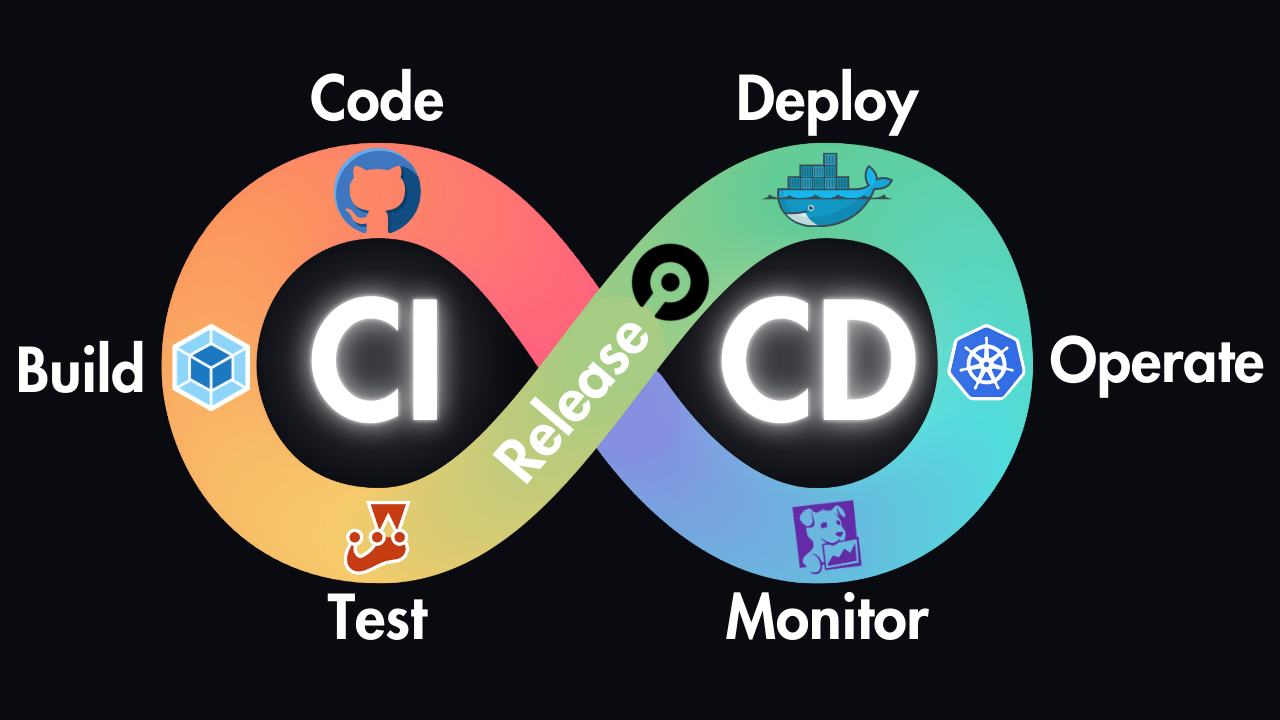
2️⃣ What CI/CD Really Means in DevOps
People often confuse the two terms, so let’s simplify:
| Concept | Meaning | Result |
| CI (Continuous Integration) | Code changes merged frequently + auto build + test | Problems caught instantly |
| CD (Continuous Deployment/Delivery) | Automated deployment to test/production environments | Faster releases |
Simple explanation:
→ CI = “Keep code always ready to deploy”
→ CD = “Deploy it automatically and safely”
3️⃣ Why CI/CD Skills Are a Top Hiring Priority
Companies want engineers who can:
✔ Automate development workflows
✔ Reduce deployment failures
✔ Release faster than competitors
✔ Ensure stability with less manual effort
This is why job descriptions always include:
- Jenkins / Azure DevOps / GitHub Actions
- Automated pipelines
- Docker + Kubernetes integration
- IaC + cloud deployments
CI/CD is mandatory for DevOps roles — not optional.
4️⃣ What You Learn About CI/CD in DevOps Training
A structured DevOps training program teaches CI/CD through:
| Training Focus | Why It Matters |
| Version control workflows | Code collaboration + rollback safety |
| Automated build pipelines | No manual execution needed |
| Testing integration | Detects bugs early |
| Deployment automation | Avoids production failures |
| Cloud release strategies | Blue/Green, Rolling, Canary deployments |
These skills are directly assessed in DevOps certification exams.
5️⃣ Tools You Must Master for CI/CD Automation
| Category | Tools | Usage |
| CI/CD Platforms | Jenkins, Azure DevOps, GitHub Actions, GitLab CI | Build, test, deploy automation |
| Containerization | Docker | Package application |
| Orchestration | Kubernetes | Auto-scale and manage deployments |
| IaC | Terraform, Ansible | Provision and configure environments |
| Testing | Selenium, JUnit, PyTest | Quality automation |
| Monitoring | Prometheus, Grafana | Performance visibility |
All these tools come together to form a real production pipeline.
6️⃣ CI/CD Pipeline Example – Beginner to Production Ready
Beginner Level Pipeline:
1️⃣ Developer pushes code to GitHub
2️⃣ Jenkins builds and tests it
3️⃣ Build stored as an artifact
✔ Basic CI implemented
❌ No deployment automation yet
Intermediate – Deployment Added:
4️⃣ Docker builds image
5️⃣ Push image to container registry
6️⃣ Deploy to test environment automatically
✔ CI + CD implemented
❌ Not yet production-scale
Production-Grade CI/CD:
7️⃣ Terraform builds cloud infra
8️⃣ Kubernetes deploys and scales app
9️⃣ Monitoring triggers automated rollbacks if issues detected
Security scans integrated into pipeline
✔ Full DevOps automation
✔ Highly reliable release workflow
This exact evolution is what DevOps training prepares you for.
7️⃣ CI/CD in DevOps Certification Exams
Every major DevOps certification includes CI/CD topics:
| Certification | CI/CD Weightage |
| AWS DevOps Engineer | Very high |
| Azure DevOps Engineer | Core focus |
| Google DevOps Engineer | Key skill |
| Kubernetes Certifications | Deployment automation mandatory |
Expect practical scenario questions like:
- Create a multi-stage pipeline
- Enable rolling deployment for microservices
- Integrate IaC with deployment automation
- Implement security scans in CI/CD
Hands-on pipeline expertise is essential to clear these exams confidently.
8️⃣ How CI/CD Improves Software Delivery Performance
| Dev Before DevOps | With CI/CD Automation |
| Releases once a month or quarter | Releases daily or weekly |
| Manual deployments → errors | Automated deployments → stability |
| Long downtimes | Zero-downtime releases |
| Late defect discovery | Immediate failure feedback |
| Teams work separately | Cross-functional collaboration |
Organizations gain:
✔ Faster Time-to-Market
✔ Higher customer satisfaction
✔ Reduced operational costs
This impact is why companies aggressively invest in DevOps engineers.
9️⃣ Common Beginner Challenges in CI/CD
| Beginner Struggle | Solution |
| Not understanding pipeline stages | Practice end-to-end flow |
| Hard to connect tools together | Learn integration patterns |
| Only theory knowledge | Build real portfolio projects |
| Confusion about container usage | Learn Docker before K8s |
| Fear of production pipelines | Use staging → then apply principles to prod |
Doing real work builds confidence — not just tutorials.
Skills That Make You Job-Ready in CI/CD
To stand out in interviews:
✔ Build + test pipelines using Jenkins or Azure DevOps
✔ Containerize apps using Docker
✔ Deploy to Kubernetes using Helm/Manifests
✔ Use Terraform to automate environment setup
✔ Add monitoring + security scans in pipeline
✔ Showcase at least 3 pipeline projects in GitHub portfolio
This demonstrates you can automate end-to-end operational flow — exactly what recruiters want.
Conclusion
CI/CD is not just a technical concept — it is the engine behind modern software delivery.
DevOps training prepares you to:
- Automate builds, tests, and deployments
- Operate cloud systems with confidence
- Deliver faster with fewer failures
- Apply DevOps skills in real production environments
- Pass DevOps certification exams with ease
If you want to become a high-value DevOps engineer, mastering CI/CD is one of the smartest investments you can make in your career.
Automation isn’t the future — it’s the present.
Your ability to execute it is what will define your success.